Have you ever woken up with an idea that feels like it's been screaming in your head all night? Not just any idea, but one that could change everything.
For me, that happened on New Year's Day 2022.
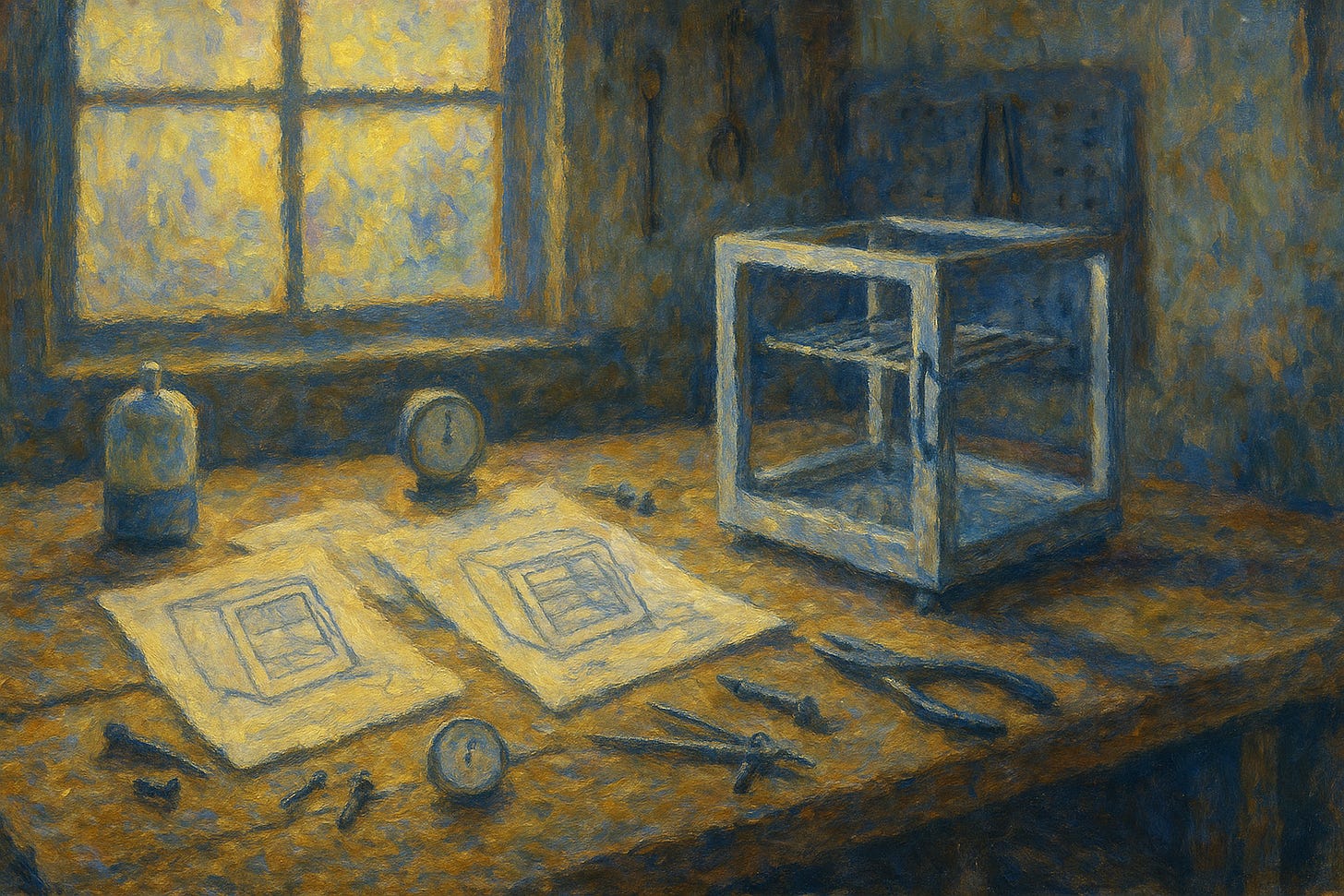
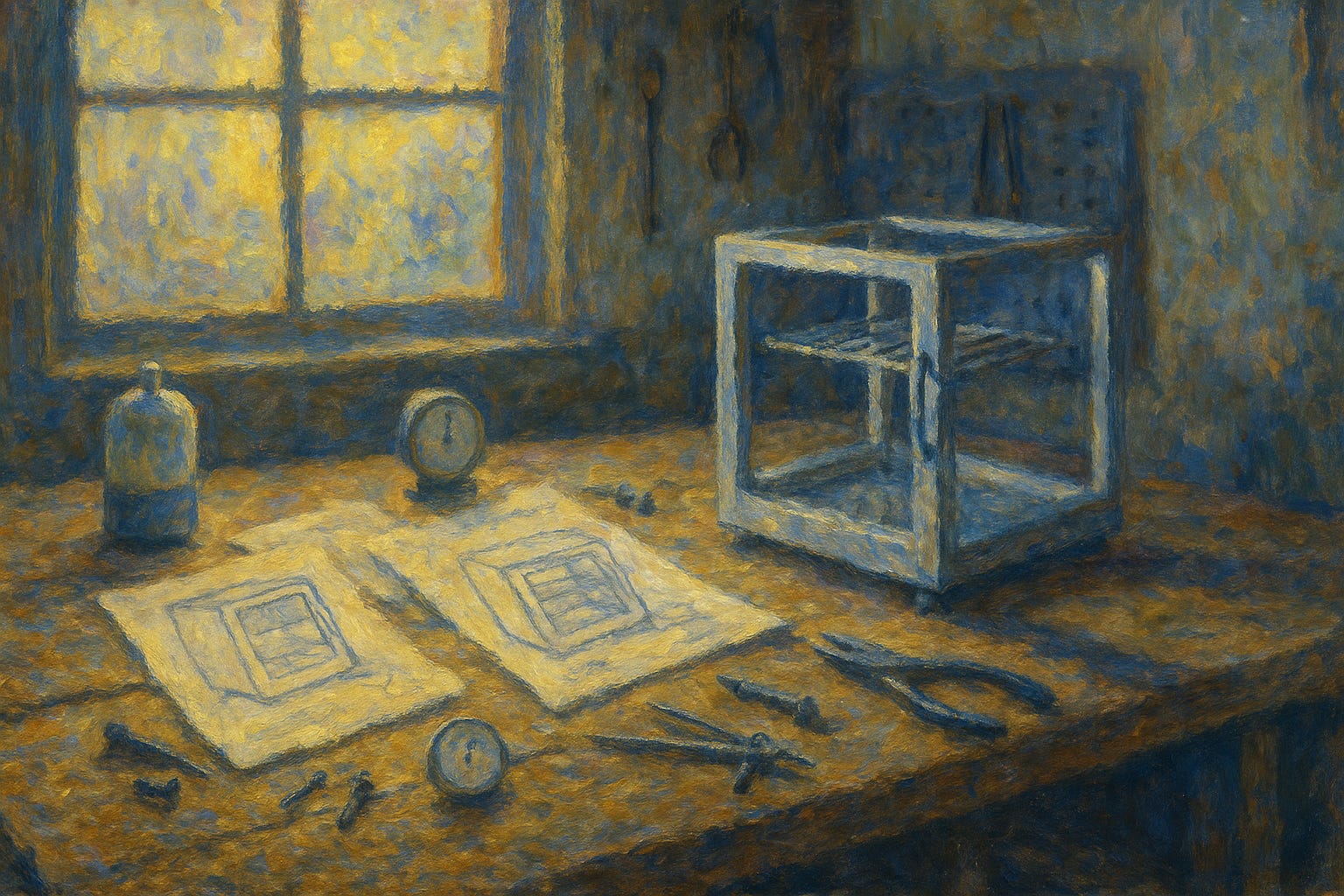
I lay there in the dark, staring at the ceiling, my mind racing about a dry ager – you know, one of those sleek appliances that ages meat at home, turning tough cuts into tender, flavorful steaks without the hassle of a fancy restaurant.
It wasn't just a gadget; it was something I knew should exist for home cooks like me who love good food but hate the wait.
I couldn't shake it.
The thought of building this thing gripped me so tight that sleep was impossible.
By morning, I felt this burning drive, like entrepreneurship had finally knocked on my door.
But excitement came with a shadow: what if I messed it up?
The spark that wouldn't fade
Entrepreneurship, at its core, is that deep urge to create what the world needs but doesn't have yet.
For me, the dry ager idea hit like a revelation.
I pictured it in kitchens everywhere – a compact unit humming quietly on the counter, transforming everyday beef into something restaurant-worthy. The textures, the rich smells of aged meat, the satisfaction of slicing into a perfectly dry-aged ribeye you made yourself.
It felt real, tangible, like I could touch it if I just reached out.
That January morning, I grabbed my phone before tea and called my dad.
I spilled it all: quitting my engineering degree to dive in full-time.
His voice stayed calm, steady. He didn't shoot it down. Instead, he gently pointed out other paths, like balancing school with side projects.
It made sense, but inside, doubt crept in. Could I really pull this off without going all-in?
Seeking guidance, hitting walls
Doubts like that can paralyze you.
I worried that splitting my focus would doom the idea before it started.
So, after talking to Dad, I mustered the courage to approach my engineering program's headmaster.
I laid out the dry ager concept – how it could use simple sensors for humidity and temperature, making premium aging accessible.
I asked for advice, maybe even some lab access to prototype it.
What I got? A wall of no's.
He listed reasons why it wouldn't work: too risky, not aligned with the curriculum, and he'd block any time off for it. His words landed like cold water.
Looking back, that rejection screamed red flag.
Why shut down a student's passion instead of nurturing it? It stung, but I pushed on, spending the next year trying to convince professors, classmates, even friends that this was worth pursuing full-time.
The endless delay
Persuasion turned into a grind.
I'd sketch designs during lectures, imagining the dry ager's stainless steel frame, the soft glow of its control panel.
But every conversation circled back to caution. "Finish your degree first," they'd say. "Get some experience." So I nodded, filed the idea away, and promised myself I'd tackle it later.
Later became a trap.
After graduation.
After landing a solid job.
After saving my first 10,000 euros.
Then 100,000.
The list grew, each milestone a comfortable excuse.
Now, years on, that dry ager sits unfinished in my notes app, a ghost of what could be.
I see it in my mind's eye – the quiet satisfaction of pulling out a perfectly aged cut, the juices pooling on the plate – but fear keeps it locked away.
Facing the fear head-on
I think it's clear: I'm afraid of failure.
It's not the big crashes that scare me most; it's the quiet ones, the ideas that fizzle because I never tried.
When you're not afraid, though, you're unstoppable. Invincible, even. You build, you tweak, you learn from the flops.
Like how a dry ager works through trial and error – too much humidity, and the meat spoils; get it right, and magic happens.
So how do I shake this? I've started small.
Sketching more, researching meat science books late at night.
Talking to butchers about what home agers need.
Each step chips away at the fear. It's messy, imperfect, but honest.
What about you? Got an idea whispering in your ear? Don't wait for the perfect moment.
Grab it, like I wish I had that New Year's morning.
The world – and your future self – might thank you.