Loading...
View on SubstackUsing the blockchain

The following is an introduction to my learnings about blockchains, crypto-assets, and programming. For the past few years, I have been exploring the crypto market and its underlying technologies. After taking numerous online classes and learning about it during my engineering graduation process, today, I want to share what I have learned along the way.

Many are skeptical about it because of medias sharing the highs and downs of those assets. Indeed there is high change in the price(volatility), often going lower than the previous highs (obviously).
We all heard stories of people making millions of $ from crypto trading.
But is it real? Should we take the train and go all in?
The short answer is NO!
Indeed, before doing anything serious, let’s understand what it is, why the price moves, and who leads the dance.
First, a crypto “currency” couldn't be called a currency if it is not allowing you to buy something with it. Today, fortunately, you can buy things on the internet using cryptos thanks to actors like Coinbase and their wallet integration on e-commerce websites.
As an example, I have bought a real cap using cryptos and NFT:

How did it work?
First, I bought an NFT (Non-Fungible Token), which is a picture file hosted on the blockchain. It won't be erased, and I can see which wallet has been holding it (allowing me to verify who is the creator of the artwork and also who have been the different holders of the image)
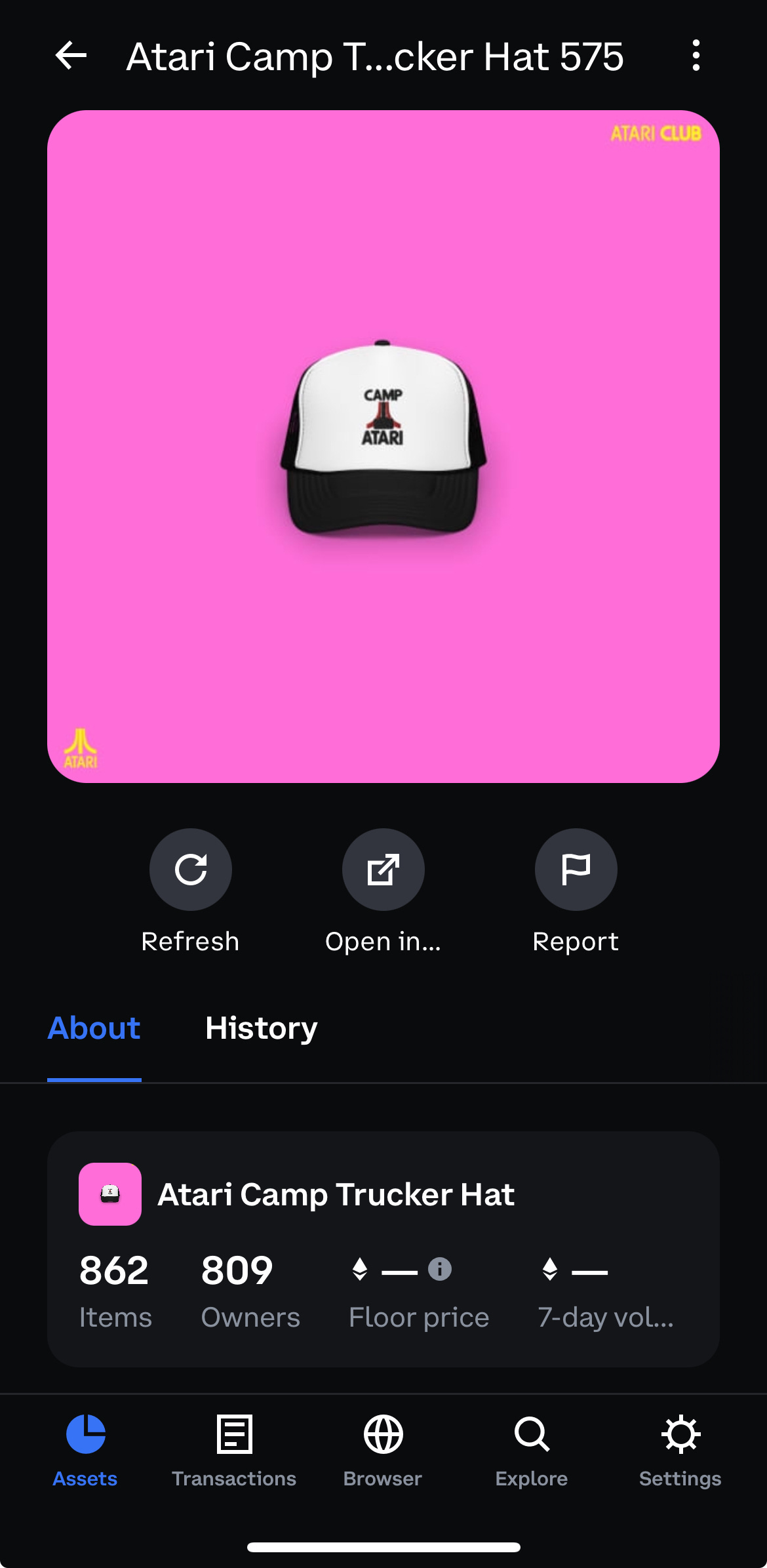
I bought this NFT by exchanging a certain amount of ETH for being the recipient of the picture (on the blockchain).
Once bought, I went on the e-commerce website of the firm/guy who created the NFT, I then logged in using the address of my crypto wallet as the username.
To show that I am the true holder of the wallet, I signed a message (like an OTP password if you have already used your phone number to verify your identity) stating that I am the holder of the wallet who holds the NFT.
Then they allowed me to make a “free” purchase of the real cap (see picture), and buy it like a normal product you buy on the internet.
In definitive, as I am writing this, we can call a crypto asset a crypto currency from a “technical” standpoint.
To answer those questions, we have to read into “white papers”.
White papers are statements which are written by creators/developers of the project and tell users how the currency is created, how it shrinks (if it does) and what is the purpose of it (the BNB crypto created by Binance allows you to reduce fees on the exchange).
 Illustration of a white paper, which often is a 60 pages long document, stating how the blockchain works and how the cryptocurrency is created/destroyed/shared
Before investing in anything, you should understand what the white paper says, like you would learn about what a firm is producing if you would invest in it.
The white paper is often linked to a blockchain project. To better understand what the blockchain is let’s make an analogy:
If crypto currency is $, the blockchain is VISA (the infrastructure allowing flows of the currency)
Be cautious with this analogy, because there are many different blockchains (Layer 1, 2 etc…) and as many cryptos (even more).
People are calling crypto currency a revolution because it creates a news way of allowing financial flows.
A blockchain is a database on the form of a linked list (in programming). You can’t erase what’s in it, and to create a new entry it has to be approved by “miners” or “validators” often through a consensus process.
A layer 2 is a blockchain on top of another blockchain (layer 1) which most of the time allows the use of an original blockchain at higher speed or lower cost.
I am quite against layer 2 because I think we should spend time improving the main blockchain than developing another blockchain on top of another (if the main fails, what the point of it?).
However, I understand that people build layer 2 because they consider the main blockchain “reliable” enough and also because they might be constrained from the maintainers of the original blockchain (who don’t want to change their original code).
As an example, regarding Ethereum, there is a core team of maintainers (including the famous Vitalik Buterin) who develops the blockchain and accepts suggestions from the community. Layers 2 like Arbitrum and Optimism, which allow people to build ontop of Ethereum at lower costs or higher speeds.
There has recently been upgrades to the Ethereum blockchain which will ultimately leads to the death of L2 (in my opinion). Indeed, core maintainers are trying to make Ethereum faster, cheaper and “greener”.
I think we have seen enough in this article, I don’t want to flood you with too much data. I suggest you ingest the learnings, spend time understanding it.
Please, feel free to share your thoughts, ask questions in the comments (you can join the discord community to learn more about blockchain programming).
In the next articles, we’ll discuss innovations and prices movements.
If you want to support my work you can subscribe, it gives access to additional thoughts at the end of each article: