Loading...
View on SubstackPrice of losing focus
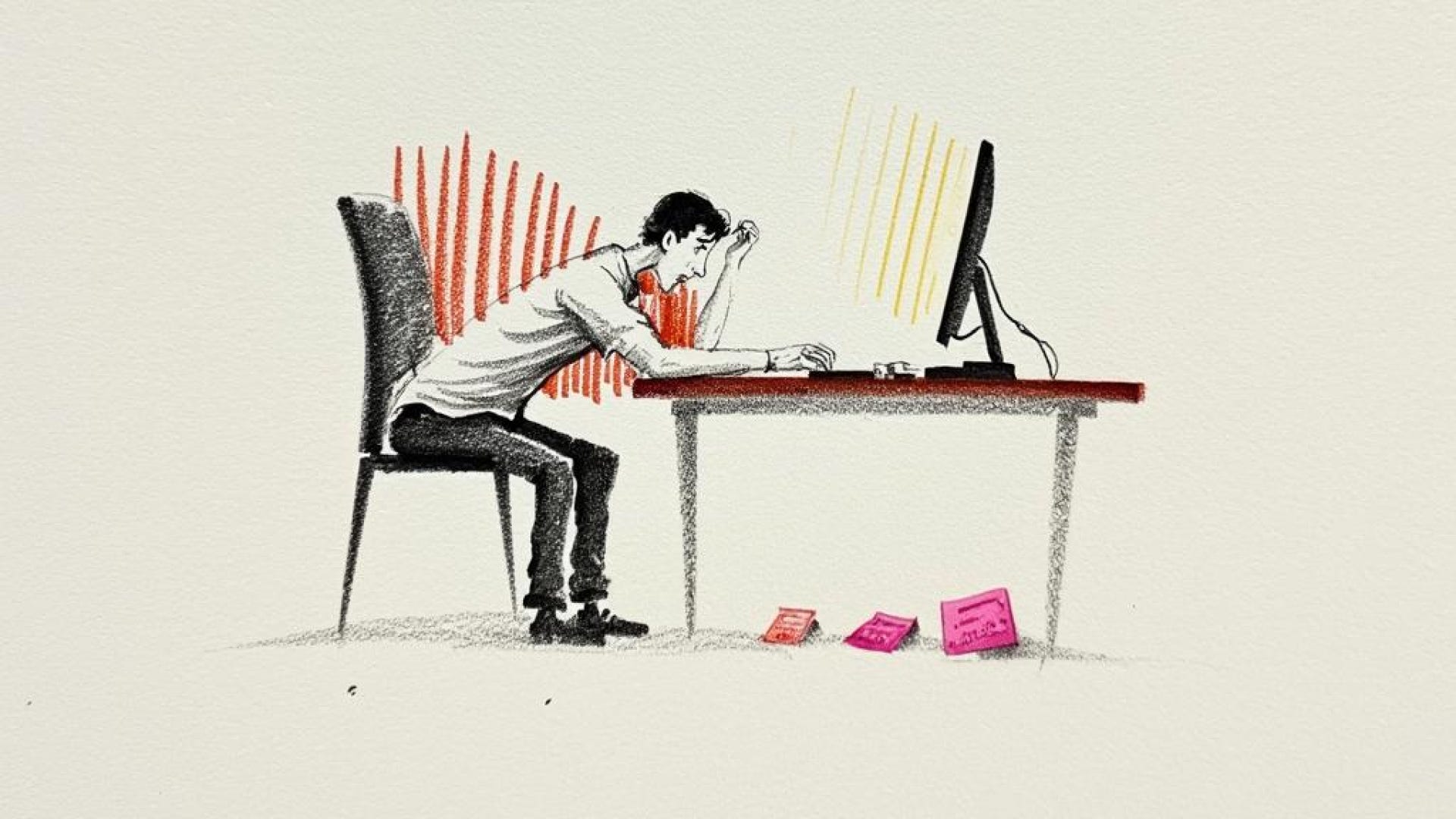
The past year has been a rollercoaster, rough yet rewarding, frustrating but enlightening.
It started with a project I loved. I was immersed in programming, crypto, and trading. A perfect combination for someone who loved problem-solving and learning.
But then, something unexpected happened.
I started feeling slow, ineffective at coding. This was before AI tools like Cursor were available.
Instead of confronting the core issue, I searched for distractions that felt productive.
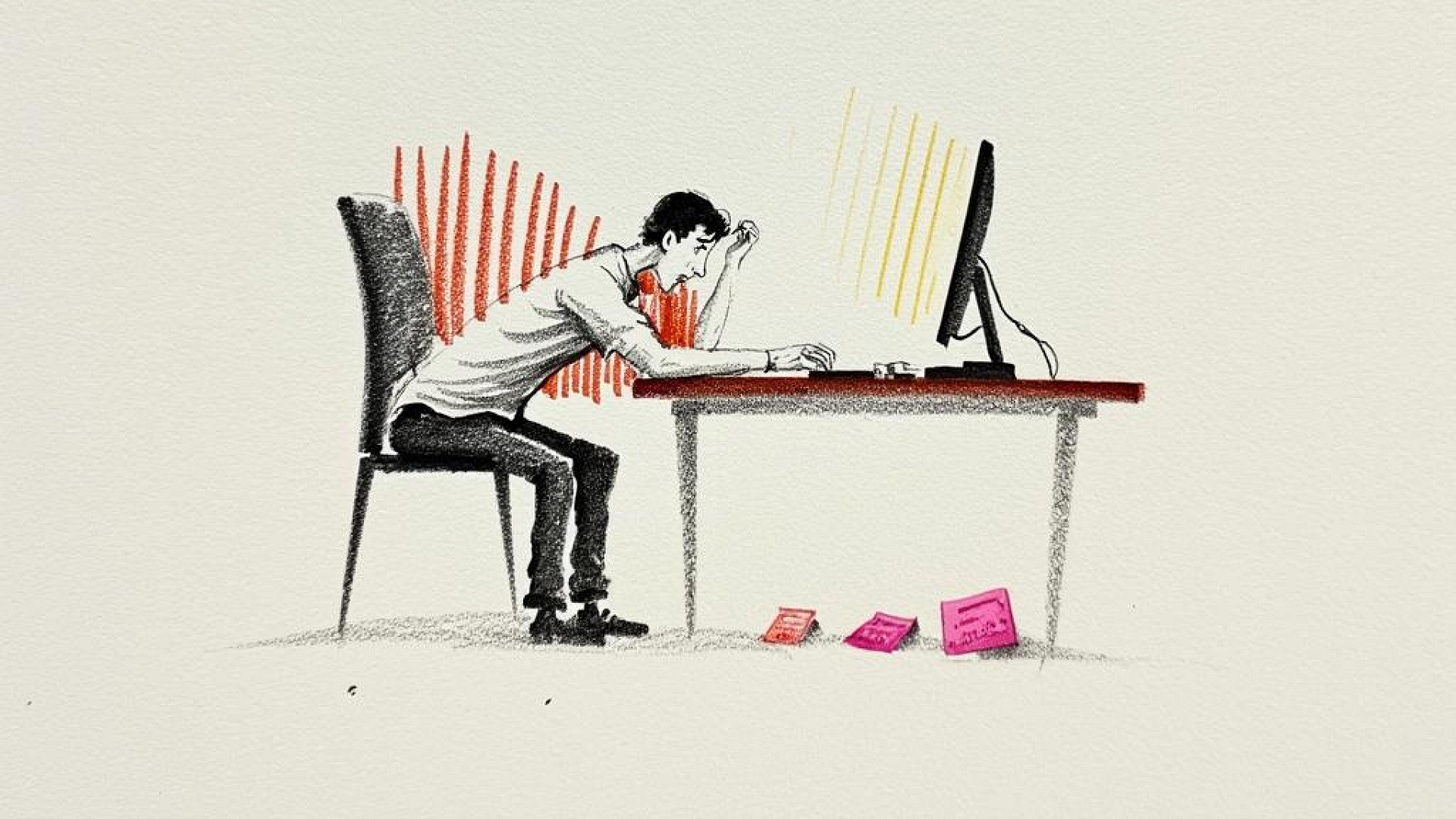
First, I decided to learn vim.
Then, I changed my computer setup, switching to a QWERTY keyboard, convinced it would make me faster.
My focus continued to slip. I rationalized it all as “optimization.”
Soon, I decided I needed to audit my code, thinking it was critical for selling software.
None of these detours solved the issue.
In the middle of my programming struggles, I pivoted drastically.
I co-founded a cybersecurity startup with a friend, despite having only surface-level knowledge of the field.
It felt exciting, like stepping into a new arena full of challenges and possibilities.
For nine months, I poured energy into this venture.
I learned about startups, honed my networking skills, and had deep conversations with over 25 people on calls, building connections that remain valuable to this day.
Yet, there was a growing sense of discomfort.
Was this really what I wanted?

By early September, I knew I was stuck.
I was working on a project I didn’t enjoy, juggling ideas without focus, and feeling mentally jammed.
I made the decision to hire an entrepreneurial coach.
It was a $3000 investment that felt daunting at first.
Aurelien, my coach, guided me through this haze with tough but meaningful questions. He helped me reconnect with what I truly wanted:
To build and create things I love.
Over the weeks, I met incredible people through his network who challenged my thinking and clarified my path.
Through it all, one thing remained constant:** trading.**
Every day, I showed up to trade with a talented mentor. I found immense satisfaction in the rhythm of trading, combining programming and financial analysis.
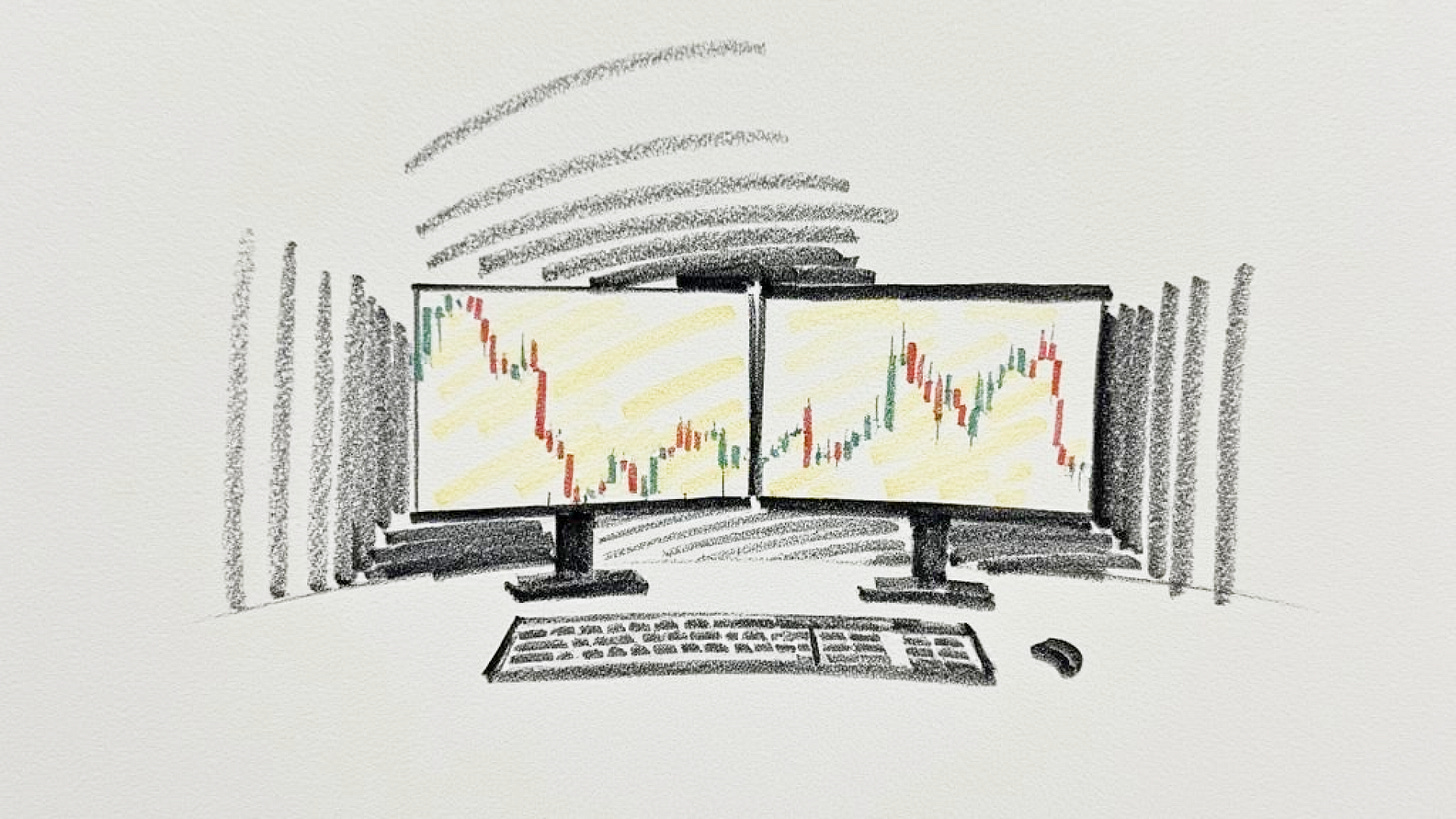
Trading might carry a bad reputation for many:
• “It’s just gambling.”
• “It creates no real value.”
• “You’ll lose money.”
Yet, I love it.
Trading is an art.
It’s about patience, resilience, and, most importantly, risk management.
In trading, you evaluate risks in real time, sometimes within seconds, and adapt.
It reminded me of survival instincts: like ancient humans assessing danger in the wild.
Risk management is a skill that translates to life, and trading has sharpened mine.
mastering self-control
Trading also taught me self-control. Early on, I realized I was calm in ordinary situations, but under stress, my emotions could flare up. Trading forces you to confront this head-on.
Managing a losing trade, resisting impulsive decisions, and staying level-headed: these challenges transformed me.
You don’t learn this from theory. You learn it from experience, often painful, but always valuable.
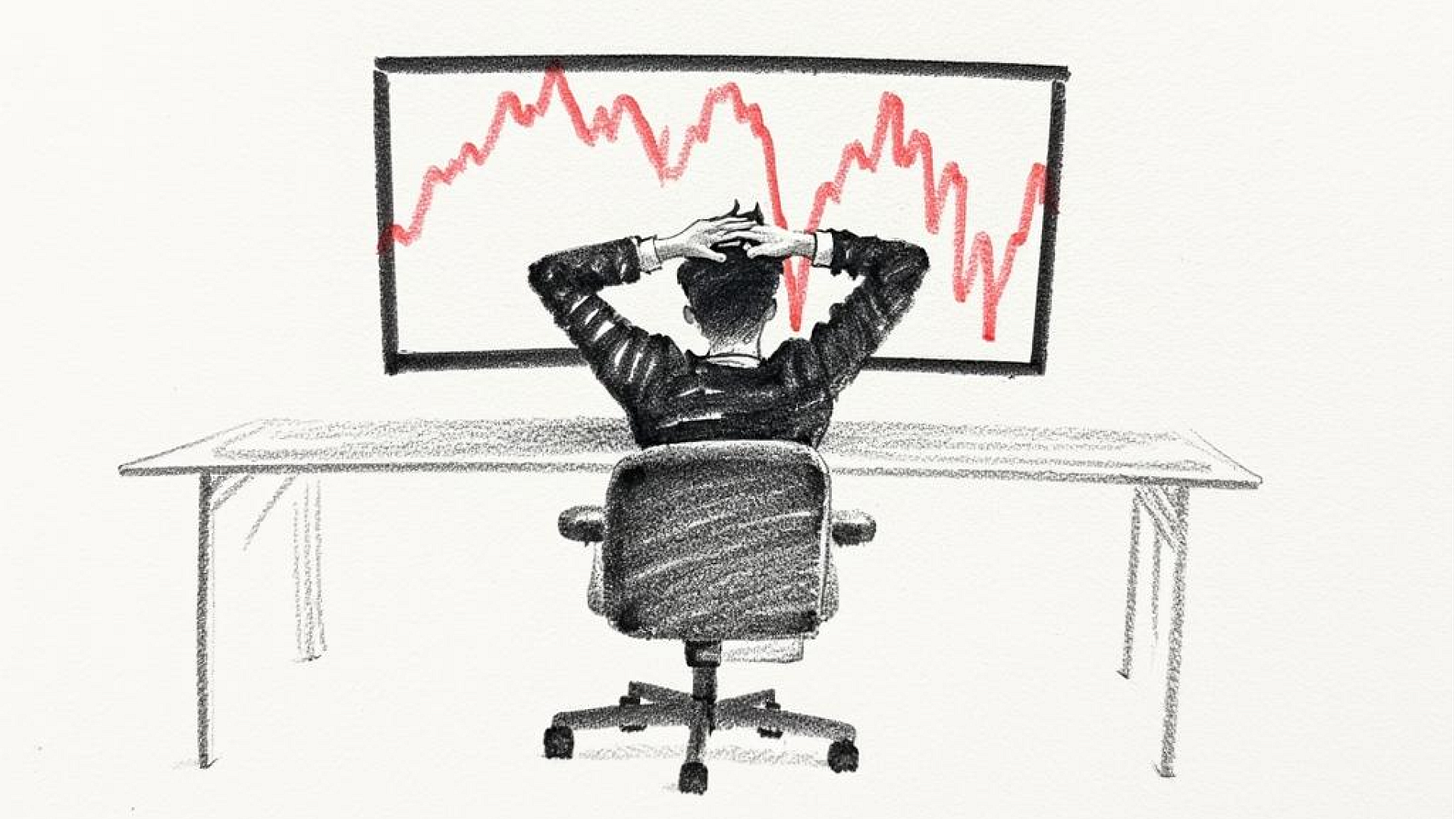
The past year showed me the cost of losing focus.
I spent months chasing distractions and new ventures that didn’t align with my passions. But the journey wasn’t a waste. It taught me what truly matters:
clarity, resilience, and the courage to stick to what I love.
Now, I’m back to building things that excite me. Programming and trading remain at the heart of my journey. And as I move forward, I’m committed to staying focused, because losing focus is too expensive a mistake to repeat.