Loading...
View on SubstackHarmful plan B
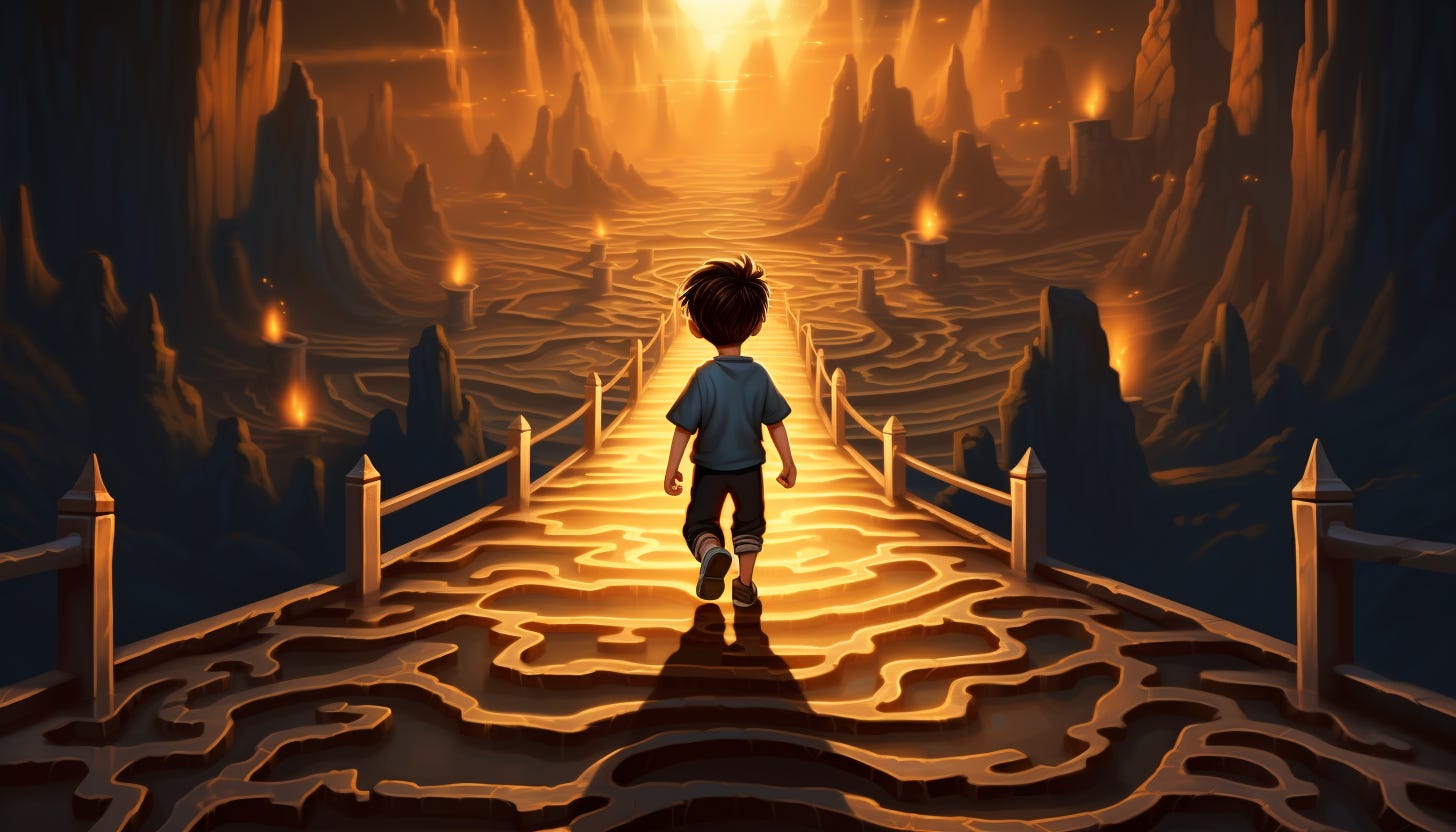
The following is a reflexion about having multiple options. I recently realized that having too many ideas could make more pain than good. We will try to understand why and how to handle this.
In life we often make choices, we have options and it’s easier to find the best between two things than one. But what if we don’t have choices?
If we have to take the only option available, we’ll go for it at 100%, we can’t have a second thought.
Listening to a podcast recently, I heard the following example :
A study was led where scientists gave children the challenge of solving a mathematical problem and getting an ice cream if the succeeded.
They conducted the experiment to see how many managed to solve the problem.

After some great results, they gave children the option to walk down the street and get the same ice cream from a vending machine (at a low cost).
Suddenly, children got a second option, and the scientists saw the success rate of the mathematical problem plummeting.
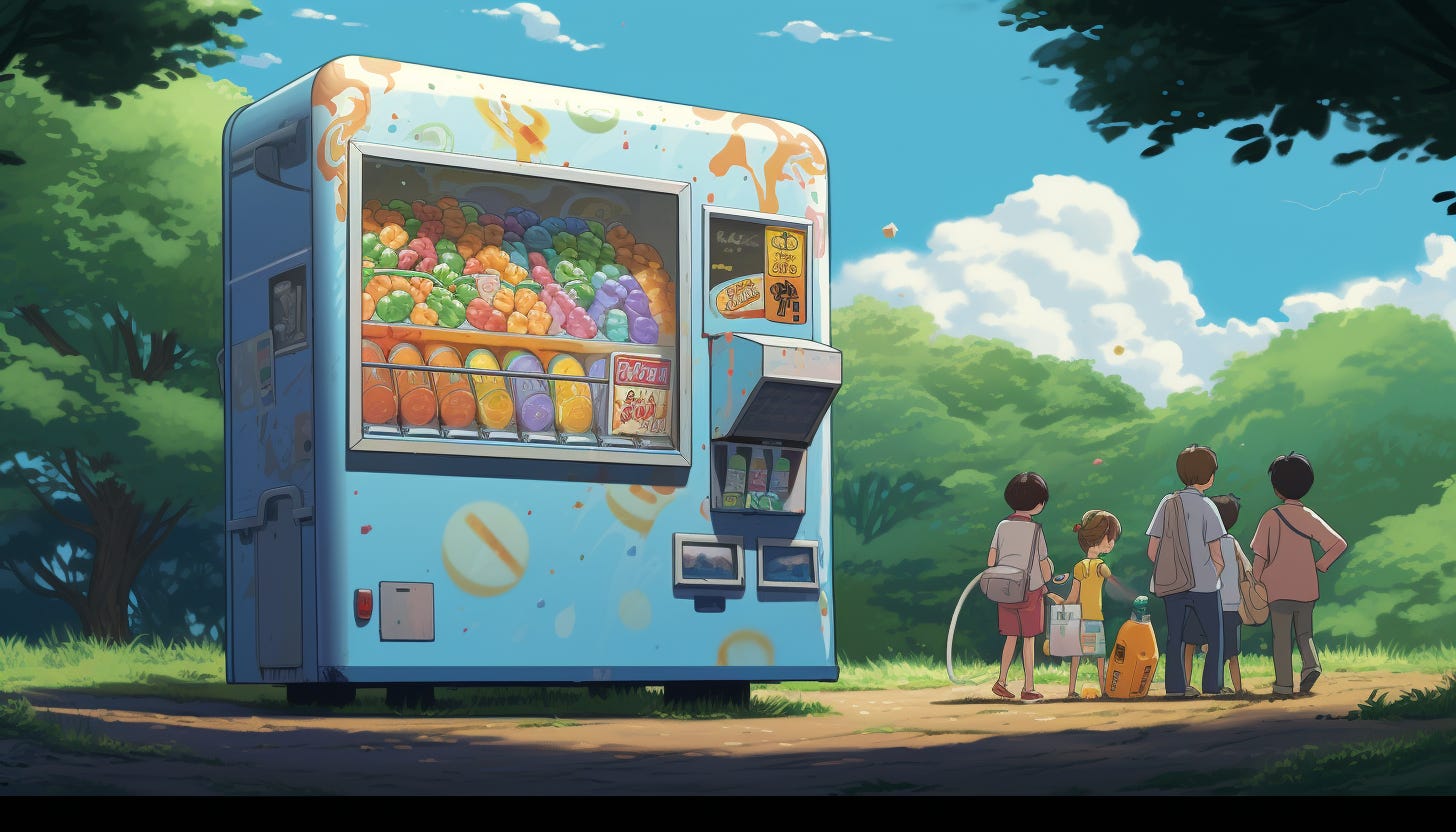
This study highlights the benefits of having a single option.
After thinking about the dilemma and the idea behind the experiment, I think people misconceive the underlying problem.
Indeed, I believe that our brain makes quick computations to find the quickest and easiest path to get to something.
If our goal is to solve the problem, of course, we’ll better stick with it.
But if our goal is to get an ice cream, we’d better run down the hill and get an ice cream from the vending machine.
In this example, it is extremely important to distinguish children’s goal and scientists’ one.
Overall, I believe the theory applies *** only to a certain category of thoughts***.
I don’t have any clue to this question. But I’d like to share something…
Some are fans, some are haters and some don’t even have an opinion. I would like to discuss a bit about Elon Musk.
After earning “some” millions from the sell of his PayPal (previously X.com) shares in 2002, Musk might have spent time dreaming.
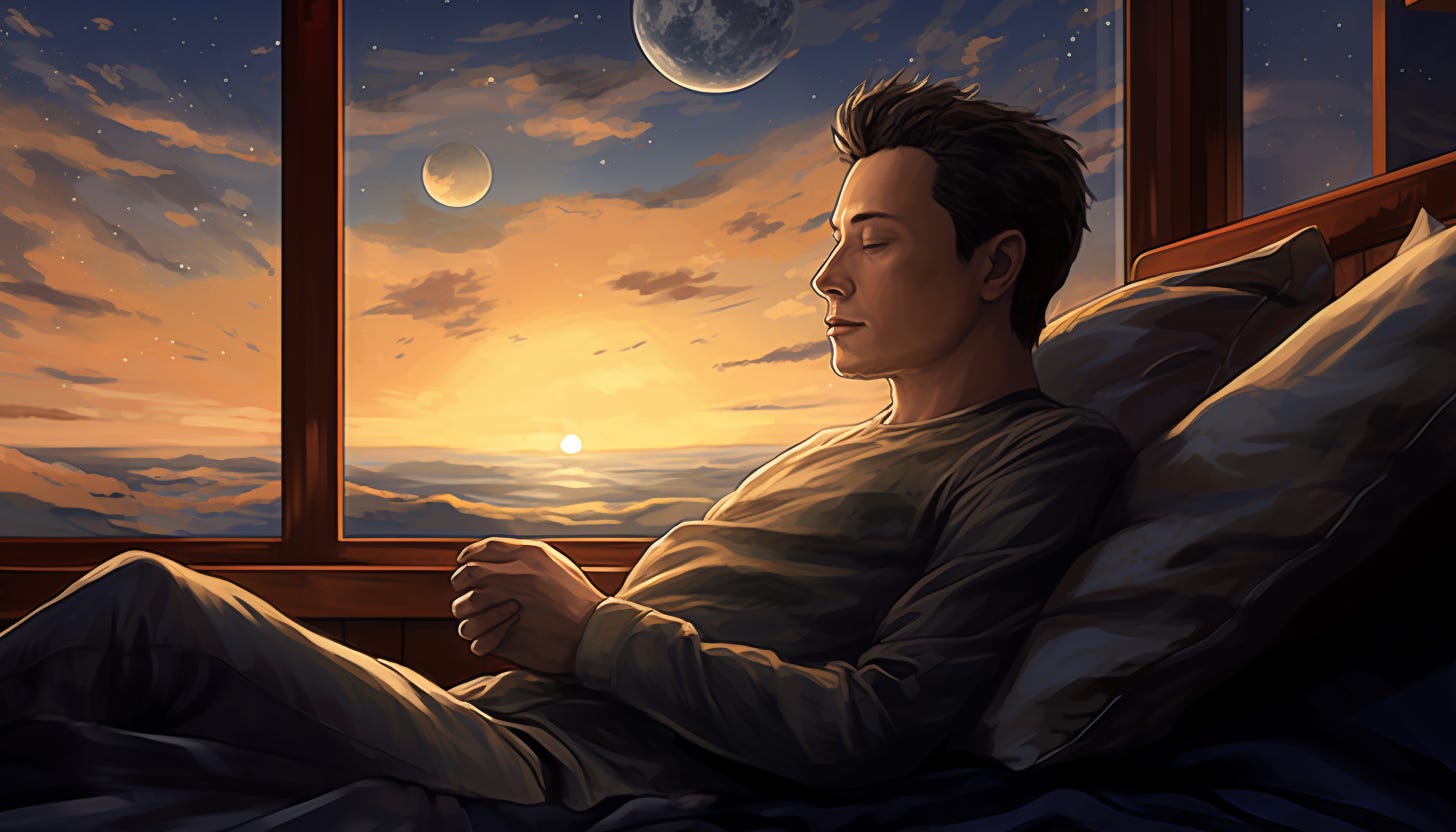
He conceived his vision of the future, with spaceships going from earth to other planets (a multi-planet species as he often says), cars being electric and somehow fully autonomous, just to cite a few samples of his vision.
He then, ended up investing his money (which is what we do when we have enough of it sleeping in a bank account), in various projects closed to his vision (Tesla was not created by Musk, it was an investment).
At this stage in history, I think of him as a “normal” guy who managed to sell his banking service company, earning money and investing in project he was dreaming about.
Where he is not average, is when he truly dedicated to his vision. From there he applied the rule of sticking with plan A.
That’s where the definition of plan A is clear, plan A is the big project, a lifetime one. It is based on a vision of the future we have.
His project / plan A, is to make the human species, multi-planetary. Under this main project, he realized that, FSD (full self driving) cars is important for the human species (reducing number of car accidents), allowing free speech (X/Twitter), using solar radiations to generate electricity (SolarCity now TeslaEnergy), restore nerves links from injured people, and allowing consciousness to control devices (Neuralink), preventing congestion in big cities by drilling tunnels (Boring Company).
It’s true, this man inspires me. He is inspiring by what he is dedicated to and also what he is achieving.
That doesn’t mean I am keen on everything he is doing or says. This is one among many examples of what dedication to a plan A can lead to, but this is a famous one that I can rely to.
It sounds extremely hard to me to stick to the first plan you got at the beginning of a thinking. Even worse than hard, it’s mostly dangerous because it can make harm.
Imagine thinking about something that could do harm and not having a second thought?
One thing we could do is to reduce our options to only have one plan to stick to.
There are algorithms which works this way. The max algorithm for example (which finds the maximum of a list), it’ll store the first element, then compare it with the second and keep the highest one. You end up having only 2 thoughts simultaneously instead of X.
Indeed, you’d end up with 2 different thoughts at the same time (only during reflexion period that you have to keep short)