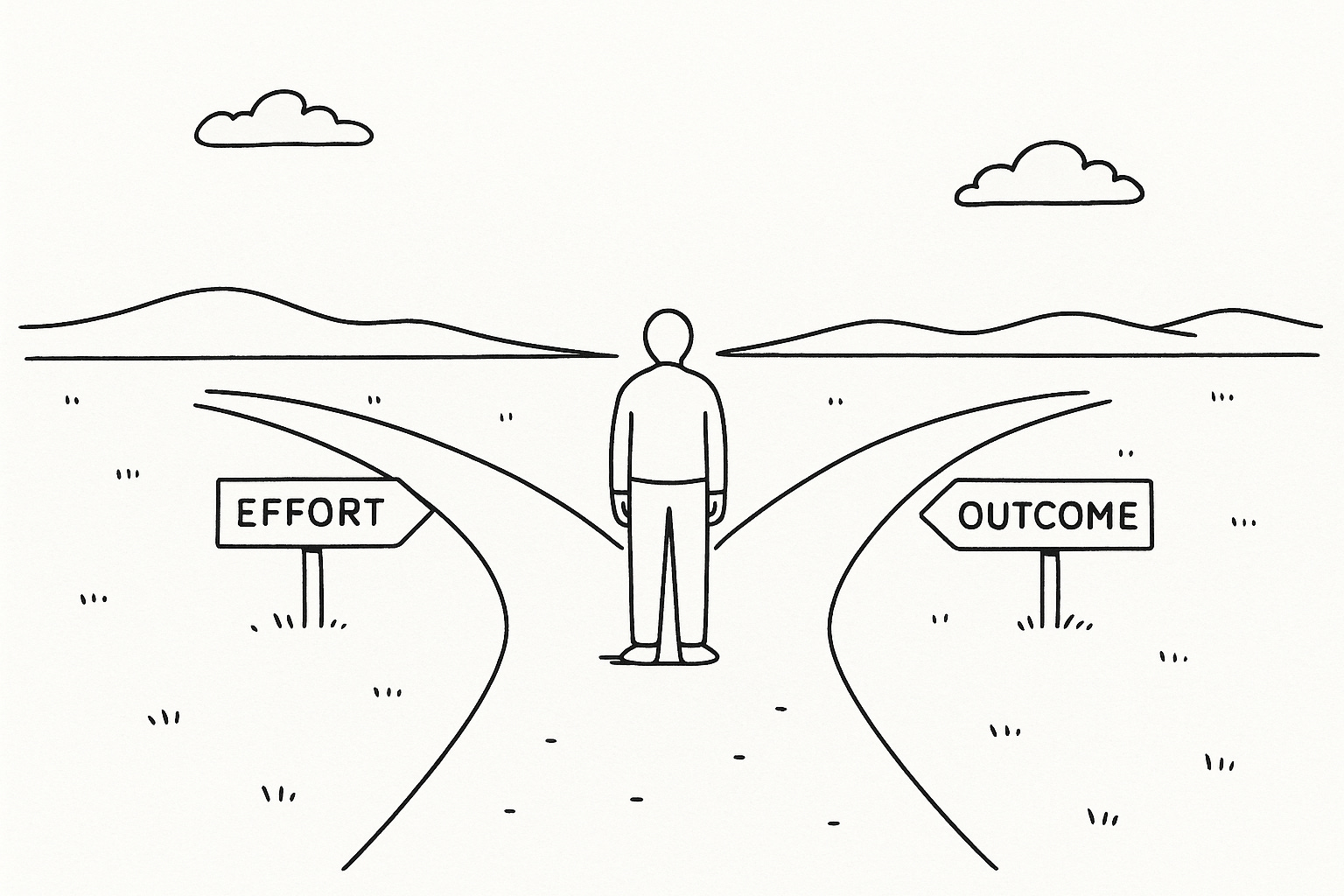
As the renewed president of the United States took office, a new motto echoed through the halls of power: "Merit is the new criterion for hires."
It sounds clean. Fair. Empowering.
But ever since, I've been stuck on one question: What exactly is merit?
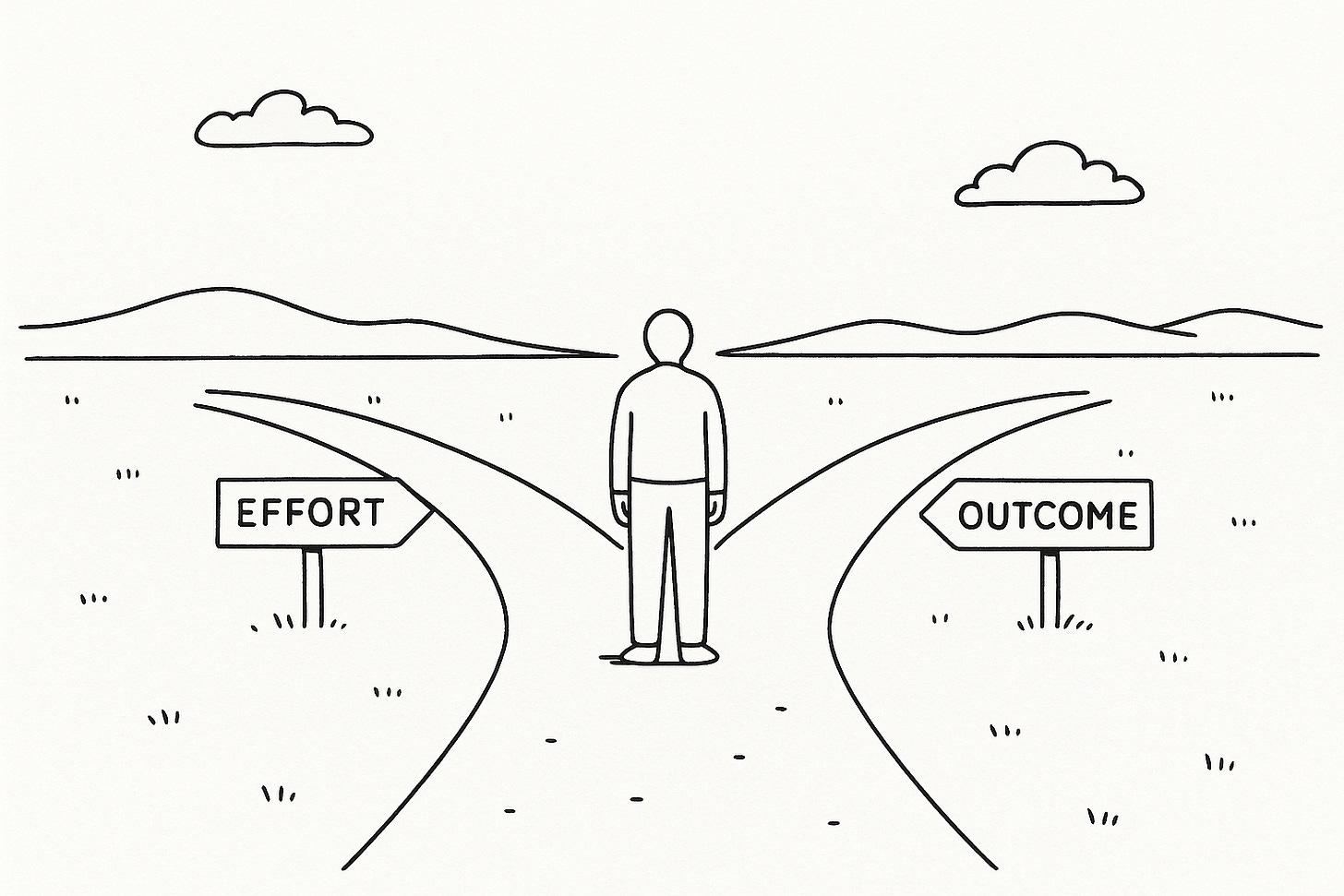
Not Effort Alone
Is waking up at 5 AM for a two-hour run meritorious?
Is enduring hardship inherently meritorious?
We often equate raw discipline with merit. We praise the grind. We romanticize pain.
But merit isn't earned just by doing hard things. It comes from what you actually accomplish.

What About Trying and Failing?
If you build something for 10 years and never get it off the ground, do you still earn merit?
This is where things get messier.
Persistence matters. But if the effort leads nowhere, can we still call it merit? Or is it just admirable grit?
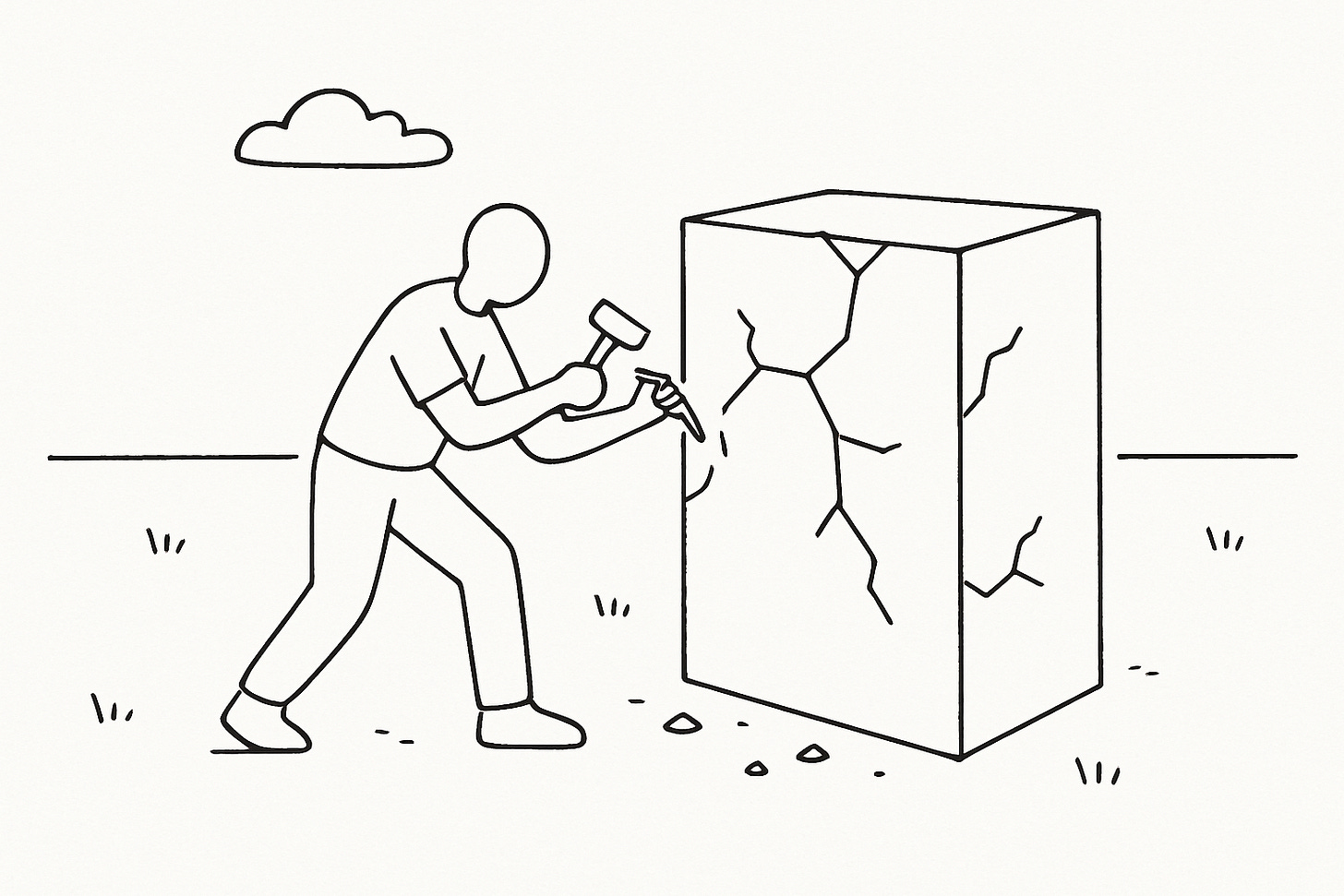
Results Matter, But Not Alone
We shouldn't dismiss struggle. But we can't ignore outcomes either.
If your work leads to something useful, something meaningful—then yes, you earned your success. Not just because you worked hard, but because that work led somewhere.
Merit, in this light, is effort transformed into results.
So, What Creates Merit?
Maybe it's this: intent + effort + impact.
It's not about perfection. It's not about noise. It's the quiet force of trying with purpose, sticking with it, and actually making something that works.
That feels more honest. And maybe more hopeful, too.
View on Substack